Side effects Signs and side effects of dry socket may include: Extreme torment inside a couple of days after a tooth extraction Fractional or all out loss of the blood coagulation at the tooth extraction site, which you may see as a vacant looking (dry) attachment Obvious bone in the attachment Agony that emanates from the attachment to your ear, eye, sanctuary or neck on a similar side of your face as the extraction Terrible breath or a foul smell originating from your mouth Disagreeable preference for your mouth When to see a specialist A specific level of torment and distress is typical after a tooth extraction
If you need some good historical insults to hurl at your pals, check out this list of 1930s jibes: Abercrombie: A know-it-all Big it: A self-centered or conceited person Boob: A dumb person who makes silly mistakes Can the twit!: Stop that idle talking [2] Cement mixer or deadfoot: Someone whos bad at dancing Crumb: An unsuccessful or unreliable person, a loser Crust: To insult Dilly: Foolish Dingy: Silly Doggy: Well dressed, but in a self-conscious way Egg: A crude person Gold digger: Someone (typically a woman) who marries for money Greaseball, half portion, wet smack, wet sock, jelly bean: An unpopular person or loser Nitwittery: Stupidity Nogoodnik: A bad or worthless person Off the cob: Corny Pill: A disagreeable or bothersome person Screwball: An odd person (originally from baseball slang) Tightwad: A cheap or stingy person Tin ear or ickie: Someone who doesnt like popular music Twit: A fool or Idiot Wheat: A person who isnt used to city life Wise guy: A smart aleck or smart*ss Advertisement American life in the 1930s wasnt easy
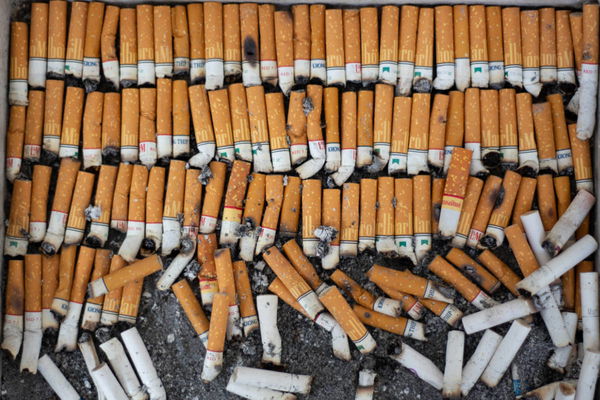
Sacred tobacco and American Indians, tradition and conflict American Indians have the highest smoking rates in the country: US commercialization of tobacco continues to complicate sacred use of the plant
Three is all you need, especially when youre able to carve out such a full sound the way they do here